
Step by Step Data Migration
Transfer your philanthropic data with precision and confidence using our advanced migration platform
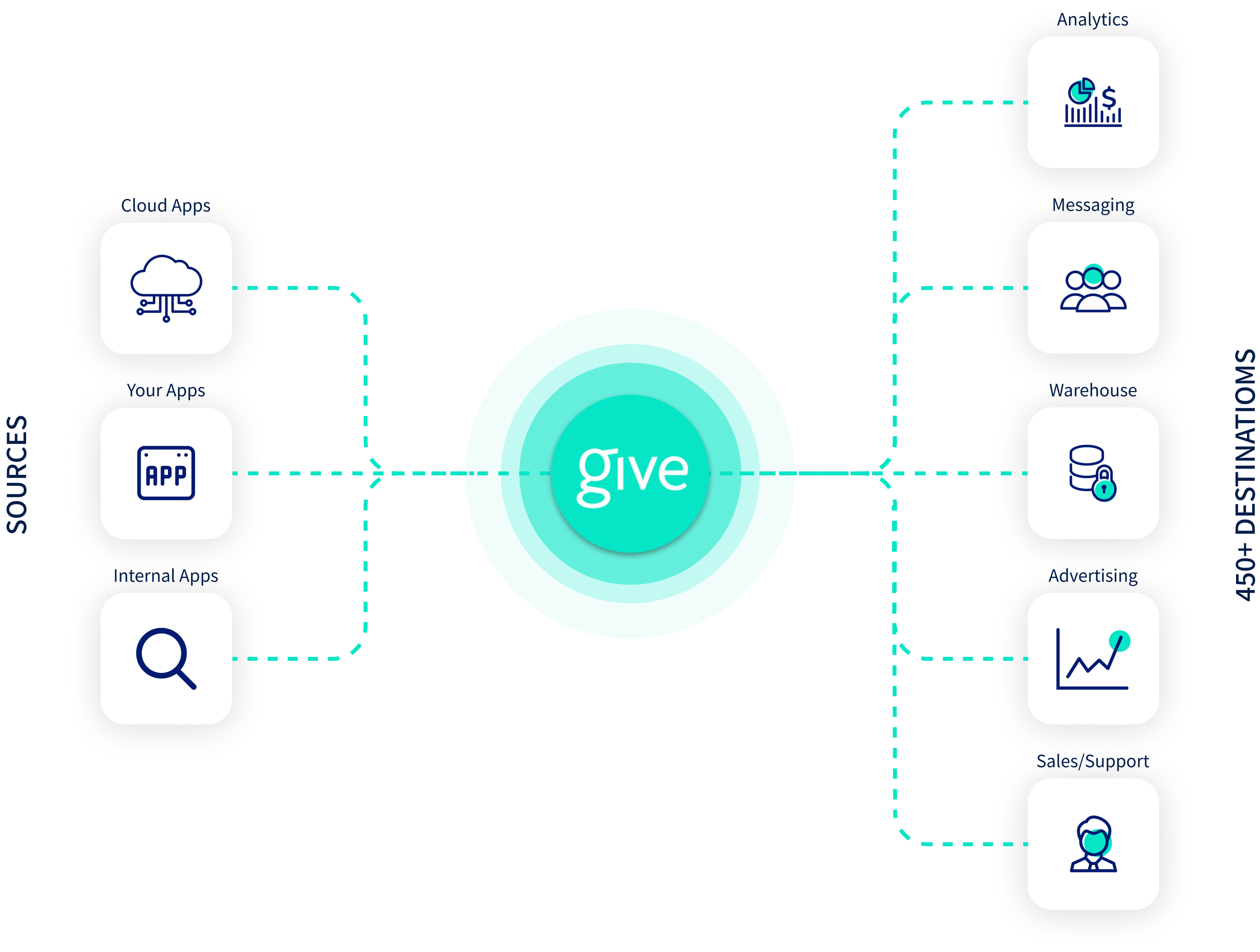
.png)
Assess your data
We analyze your existing systems and map out a comprehensive migration strategy
.png)
Plan the migration
Our experts develop a tailored approach to ensure minimal disruption to your operations
Execute with care
Precise data transfer executed with advanced tools and rigorous validation protocols
Uncompromising data protection during migration
We implement bank-grade encryption and multi-layer security protocols to safeguard every byte of your sensitive information. Our approach ensures complete confidentiality and integrity throughout the migration process.
Dedicated migration specialists with proven track record
Our team comprises veteran technologists with deep experience in complex data migrations across philanthropic platforms.

Why choose our migration solution
Comprehensive approach designed to maximize efficiency and minimize risk
Minimal operational interruption during migration
Strategically planned transitions that keep your systems running smoothly

Precision data transfer
Guaranteed data integrity with advanced validation techniques

Ongoing technical assistance
Comprehensive support before, during, and after your migration process

FAQs
Common questions about our data migration process answered by our expert team
Data migration is treated as a critical transformation—not a technical export/import.
We focus first on understanding how your foundation actually uses data today, then map and validate it to support future workflows, reporting, and controls. Our goal is not just to move data, but to improve its usability and reliability.
We use a phased, multi-round migration approach. Early migrations load a subset of data to validate structure, mappings, and assumptions. A final migration occurs only after issues are resolved and stakeholders are confident in the results. This reduces surprises and protects day-to-day operations.
We migrate the operational history foundations depend on. This commonly includes donors, charities, funds, contributions, grants, recipients, statements, balances, and historical transactions—at a level appropriate for reporting, audits, and ongoing operations. Scope is always aligned to your needs, not a one-size-fits-all rule.
Validation is built into every step of the process. We perform reconciliation checks, record counts, balance tie-outs, and scenario testing with your team. Migration success is measured by accuracy, usability, and confidence—not just technical completion.
Your team’s expertise is essential—but we respect their time.
We rely on subject-matter experts to validate assumptions and review results, while our team handles the technical execution. Clear roles, structured reviews, and defined checkpoints keep involvement focused and efficient.
That’s normal—and expected.
Most foundations come from systems with historical workarounds, manual processes, or evolving data standards. We help normalize and structure data where appropriate, while preserving historical integrity for reporting and audit purposes.
Operations continue while migration work happens in parallel.
Migrations are conducted in non-production environments until go-live readiness is confirmed. Cutover timing is carefully planned to minimize downtime and ensure a smooth transition for staff and donors.
Need more information?
Our team is ready to answer any additional questions you might have
Ready to start your migration journey?
Connect with our migration specialists to discuss your unique data transfer requirements